Common problems removing rubbish from Kenton maisonettes
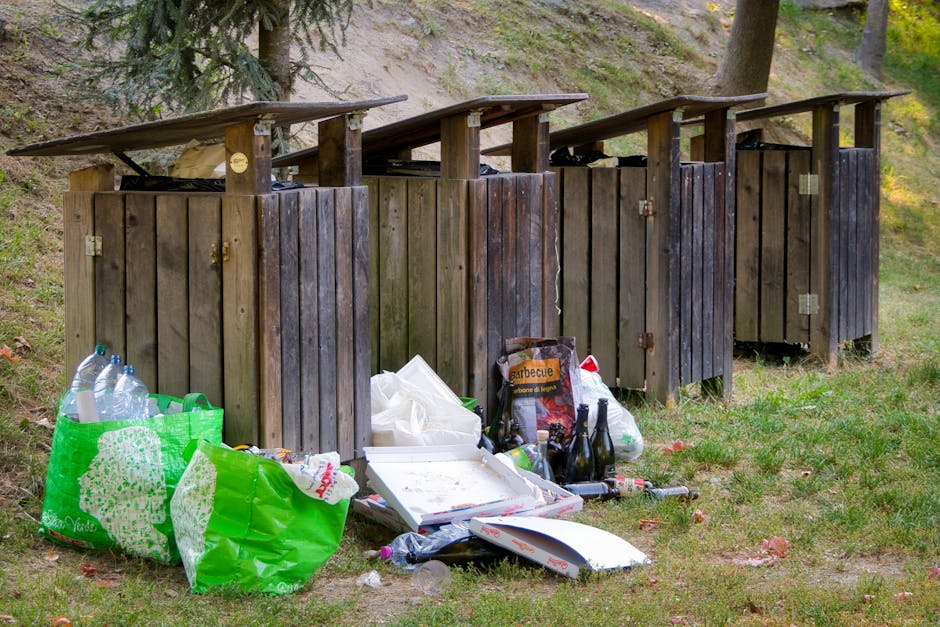
If you live in a Kenton maisonette, rubbish removal can be a lot less straightforward than people expect. Shared entrances, tight stairwells, awkward parking, and neighbours who quite reasonably don't want a hallway blocked with old furniture all make the job trickier. In practice, the common problems removing rubbish from Kenton maisonettes are usually less about the waste itself and more about access, timing, responsibility, and getting items out safely without upsetting the building.
That's the short version. The longer version is more useful. In this guide, we'll look at the most common headaches, what usually causes them, how rubbish removal works in maisonette settings, and how to plan a smoother clearance. We'll also cover practical steps, compliance points, and a realistic checklist you can use before you book anything. Let's face it, nobody wants to carry a broken wardrobe down three flights of narrow stairs twice.
Why Common problems removing rubbish from Kenton maisonettes Matters
Maisonettes are not the same as a house, and they are definitely not a simple ground-floor flat either. A lot of Kenton properties sit in converted buildings, small terraces, or purpose-built blocks where access is shared and space is tight. That changes everything. What looks like a quick clear-out on paper can become a slow, awkward process if you haven't thought through the route, the volume, and the people around you.
The main reason this matters is simple: rubbish removal affects more than one household. If a hallway is blocked, if bags are left by the entrance, or if large furniture is dragged across stair edges, the inconvenience spills over to neighbours. In some buildings, there may also be lease conditions or management rules that affect when and how waste can be taken out. Even where there's no formal restriction, common sense goes a long way.
There's also a safety angle. Heavy items on stairs are one of the fastest ways to get a back strain or scrape a wall, and neither is ideal. To be fair, most people don't think about the awkward corner halfway down the stairs until they're standing there with a sofa wedged sideways. Then the problem becomes very real, very quickly.
For landlords, tenants, homeowners, and letting agents, getting this right protects the property and avoids tension. For anyone clearing a flat after a move, a refurbishment, or a family situation, it also keeps the day moving. A smooth clearance isn't just convenient; it reduces mess, delay, and that slightly grim feeling of a job hanging over you.
How Common problems removing rubbish from Kenton maisonettes Works
In a maisonette, rubbish removal usually starts with identifying what needs to go and how it will physically leave the property. That sounds obvious, but in practice it's the bit people underestimate. A bag of clothes is easy. A broken wardrobe, mattress, fridge, or old sofa is a different story entirely.
Most removals follow a similar pattern:
- Sort the waste into items that can be lifted easily, items that need two people, and anything that may need special handling.
- Check access from the room to the street, including stair width, turns, door frames, and any shared areas.
- Plan timing so the work avoids school runs, busy parking periods, or times when neighbours are more likely to be coming and going.
- Remove the rubbish safely, ideally with enough hands, the right equipment, and clear communication.
- Dispose responsibly, which may include recycling, reuse, or specialist handling for certain materials.
What makes maisonettes different is the mid-point: the shared space. A narrow landing, a front path, a communal entrance, or a stairwell can be the deciding factor. If the item doesn't move cleanly, the whole job slows down. That is why people often search for local help rather than trying to do it all in one exhausting go.
If you are removing a mix of furniture, broken appliances, and general household clutter, it helps to think in categories. For instance, a light clearance might suit a single van trip, while a larger flat clearance may need a more structured plan. Services such as flat clearance and home clearance are usually more relevant where the job involves multiple rooms and mixed waste, while waste removal may be enough for bagged rubbish and smaller load sizes.
One thing people often miss: the route out matters as much as the load itself. If a bulky item has to turn at the top of the stairs, you need to measure the space properly before lifting. It saves a lot of swearing. A lot.
Key Benefits and Practical Advantages
When rubbish is removed properly from a Kenton maisonette, the benefits are immediate and practical rather than abstract. You get space back, but you also get clarity. The flat feels calmer when clutter goes. The stairs feel safer when they are clear. And the neighbours, frankly, are usually happier when the communal area stops looking like a staging post for a moving day.
- Less physical strain: Heavy lifting done with proper planning is far safer than trying to manoeuvre items alone.
- Fewer delays: A clear access route means waste can be removed in one visit rather than in several frustrating trips.
- Better use of space: Clearing old furniture, broken appliances, or accumulated junk immediately opens up the property.
- Reduced neighbour friction: Small buildings work better when communal spaces stay clear and tidy.
- More responsible disposal: Items can be sorted for reuse, recycling, or specialist processing where needed.
There is also a quieter benefit. Once the clutter is gone, decisions become easier. You can see the room properly again, which sounds small but often changes everything. Suddenly you know whether a sofa actually fits, whether the spare room can be used properly, or whether that one cupboard is still useful or just storing three years of maybe-someday stuff.
For landlords and agents, quick and orderly removal can also make re-letting faster. For tenants, it can make a handover less stressful. For homeowners, it can take the pressure off before a renovation or sale. In other words, good rubbish removal is one of those behind-the-scenes jobs that quietly improves the whole property experience.
Who This Is For and When It Makes Sense
This topic matters to a fairly wide group of people in Kenton. If you live in a maisonette, you already know that space can be limited and stair access can be awkward. If you manage one, you know the headache can land on your desk faster than expected. The same goes for family members helping clear a relative's home, or anyone dealing with a quick turnaround between tenants.
It usually makes sense to plan a proper rubbish removal when:
- you have bulky furniture that will not fit in the usual waste system
- the staircase or hallway makes DIY lifting risky
- you need the property cleared before an end-of-tenancy inspection
- you are moving out and the load is too much for a car boot run
- the rubbish includes mixed items that need sorting
- you want a cleaner, faster solution than leaving everything in bags for later
A common mistake is waiting until the last day. Truth be told, maisonette rubbish jobs tend to go much better when you start early and keep the pile under control. A little planning saves a messy morning. And a messy morning can become a messy week, especially if you are juggling work, children, or a move.
If the property includes old furniture, damaged sofas, mattresses, or awkward household items, it may be smarter to choose a service that handles those separately rather than forcing them into a general load. For example, furniture clearance, mattress and sofa disposal, and fridge and appliance removal can be more suitable where the items are heavy, bulky, or need careful handling.
Step-by-Step Guidance
Here is a practical way to approach rubbish removal from a Kenton maisonette without turning it into a drama.
- Walk the route first. Stand at the room door, then follow the path to the exit. Look for narrow turns, low ceilings, shared landings, and anything that could snag. This ten-minute check is worth its weight in tea.
- Make a clear list of what is going. Separate general rubbish, reusable items, bulky furniture, electricals, and anything potentially hazardous.
- Measure the awkward bits. Doorways, stair corners, and hallway widths matter more than people think. If a sofa needs tilting at a strange angle, know that before the lift starts.
- Choose the right disposal route. Some waste is fine for general clearance. Other items may need specialist handling, such as a fridge, paint tins, or other risky materials.
- Protect the property. Use blankets, gloves, and floor protection if needed. Shared walls and stair edges can scratch easily.
- Schedule the job sensibly. Avoid busy times if parking is limited or the entrance is shared. Morning slots are often easier, but not always.
- Keep the communal area clear. Do not leave items in hallways unless there is a clear, safe plan to move them straight away.
- Check the final sweep. Once the rubbish has gone, do one last check of cupboards, under beds, and behind doors. Small things like loose screws and packing material are easy to miss.
If the job is large or time-sensitive, booking online can save a bit of back and forth. You can also compare different service types before deciding. For example, a broad clearance might suit house clearance or loft clearance if the waste is coming from several parts of the property, while a more targeted collection may be enough for a single room or a small pile.
A simple rule works well: if you would struggle to move it safely on your own, treat it as a planning problem, not a lifting problem.
Expert Tips for Better Results
In our experience, the best maisonette rubbish jobs are the ones where the boring details are handled early. That might not sound glamorous, but it prevents most of the common headaches.
1. Pre-sort before anyone starts lifting. Mixed loads waste time. Put bagged rubbish, recycling, furniture, and electrical items into separate piles if possible. It makes loading cleaner and faster.
2. Keep the stairwell free. A clear staircase reduces risk and makes communication easier. If you are in a shared block, this matters even more. One box in the wrong place can cause a bottleneck.
3. Use the right service for the right waste. Builders' rubble is not the same as household clutter. Garden cuttings are not the same as an old washing machine. Matching the waste to the service keeps things simple and usually more efficient. For example, builders waste clearance and garden clearance deal with very different material types.
4. Think about the neighbours. A quick message in advance can go a long way if the removal might involve lifting through communal areas. It avoids that awkward moment where somebody opens the door to find a sofa on the landing.
5. Don't underestimate hidden waste. People often forget cupboards, loft spaces, under-bed storage, and shed corners. Those bits add up, especially in compact maisonettes where storage gets used hard over time.
6. Ask about sorting and recycling. A responsible clearance should not just be about speed. If an item can be reused, repurposed, or recycled, that's usually the better outcome. Services such as recycling and sustainability are useful to review when you want a more thoughtful approach to disposal.
One small but useful tip: if you have a lot of cardboard, flatten it before collection. It sounds basic, but it changes the whole load profile. Same goes for dismantling furniture where safe to do so. A table in pieces is a lot less awkward than a table in one heroic, back-breaking lump.
Common Mistakes to Avoid
Most problems removing rubbish from Kenton maisonettes come from a handful of avoidable mistakes. They are easy to make, especially when you are under pressure, but they can turn a manageable clearance into a frustrating one.
- Starting without checking access. If you haven't measured the stairwell or checked the lift-free route, you are guessing.
- Leaving bags in communal areas. That creates nuisance, can upset neighbours, and may breach building rules.
- Mixing hazardous items with general waste. Some items need separate handling. Do not assume everything can go together.
- Ignoring parking or loading space. In a busy Kenton street, that can become the real bottleneck.
- Trying to carry too much at once. Two trips are better than one wobbly one.
- Forgetting about dismantling. Some items need to be broken down before they will safely leave the property.
- Not confirming what happens next. If you want items recycled, reused, or taken in a specific way, say so early.
There is also a subtle mistake people make: assuming every removal job is the same. It isn't. A single mattress from a first-floor maisonette is not the same as clearing a packed two-bed flat with a shared entrance and a narrow stairwell. Different job, different rhythm, different risks.
And yes, occasionally the simplest approach is still the best one. But simple does not mean careless.
Tools, Resources and Recommendations
You do not need a van-full of gear to remove rubbish from a maisonette safely, but a few practical tools make the whole thing easier.
- Sturdy gloves for grip and protection
- Moving straps or trolleys where stairs and load weight allow
- Blankets or pads to protect walls and bannisters
- Tape, sacks, and boxes for sorting smaller items
- Basic measuring tape for doorways and awkward turns
- Screwdrivers or simple tools for dismantling furniture safely
For services, it helps to know the difference between a general clearance and a specialist collection. A mixed household load might fit a flat clearance, while a cluttered garage or storage space may be more suitable for garage clearance. If the property is full of small discarded items across multiple rooms, home clearance can be the better fit.
For larger or recurring waste problems, some people also compare business waste removal and office clearance if the property is part of a work-from-home setup, sublet, or mixed-use arrangement. That may sound niche, but in real life these situations happen more often than people expect.
If you are unsure how to prepare, a useful practical step is to write down every item larger than a bin bag. That list alone usually reveals whether the job is a one-off collection or a more involved clearance. You can then plan around the big pieces first, which is where most of the difficulty usually sits.
Law, Compliance, Standards, or Best Practice
Rubbish removal in a maisonette should follow sensible UK waste-handling practice. Without getting overly legal about it, the basics are straightforward: waste should be disposed of responsibly, items should not be dumped in communal areas, and anyone handling waste should think about safety, traceability, and proper segregation where relevant.
For residents, the main practical points are:
- do not block exits, stairs, or shared access routes with rubbish
- separate items that need special treatment, such as electricals or potentially hazardous materials
- check lease, building, or managing-agent rules if you share the entrance or common parts
- choose a provider that follows safe loading and responsible disposal practices
For anyone dealing with sharp, heavy, contaminated, or chemically risky items, caution matters. Items such as old fridges, leftover paints, solvents, or broken fittings may require more careful handling than ordinary household clutter. If in doubt, treat it as a specialist issue rather than a normal bin run. That is the sensible move.
There is also a best-practice layer around insurance and safety. If large items are being moved down shared stairs, it is worth checking whether the provider has adequate cover and clear handling procedures. A responsible operator should be able to explain how they protect both the property and the people involved. Our advice? Ask the boring questions. They are the important ones.
Where sustainability matters, look for clear sorting and recycling habits rather than vague promises. Good practice usually means keeping reusable goods separate where possible and avoiding unnecessary landfill. A bit of care at the start can make a meaningful difference by the end.
Options, Methods, or Comparison Table
If you are deciding how to clear rubbish from a Kenton maisonette, it helps to compare the main approaches side by side.
| Method | Best for | Advantages | Limitations |
|---|---|---|---|
| DIY removal | Small bags, light items, short distances | Low cost, flexible timing | Time-consuming, physically demanding, risk of damage or injury |
| Single-item collection | One bulky item such as a mattress or appliance | Simple, targeted, less effort than a full clearance | Less suitable for mixed loads or multiple rooms |
| Flat or home clearance | Mixed clutter, furniture, and household waste | Efficient for larger jobs, easier coordination | Needs better planning and access management |
| Specialist disposal | Appliances, hazardous items, or awkward materials | More appropriate handling, better compliance | May involve extra coordination or separate arrangement |
In real life, many maisonette jobs use a mix of methods. You might clear general clutter in one go, then arrange specialist disposal for an appliance or restricted item. That is normal. The key is not forcing everything into one plan if the waste types are clearly different.
If you want a better sense of costs and process before committing, the pages on pricing and quotes and book online can help you compare options and plan the timing. For some readers, that is the point where the whole job suddenly feels much more manageable.
Case Study or Real-World Example
Here is a realistic example based on the kind of situation people commonly face in Kenton.
A first-floor maisonette needs clearing after a long tenancy. The property includes a worn sofa, a mattress, two broken shelving units, several bags of mixed clutter, and a fridge that no longer works. The stairwell is narrow, the front entrance is shared, and parking is only available for a short window. Not impossible. Just fiddly.
The problem is not one giant item; it is the combination of small obstacles:
- the sofa catches on the stair turn
- the fridge needs careful moving and separate handling
- bags of mixed rubbish create clutter in the landing if left too early
- neighbours want the entrance kept clear
- time pressure means there is no room for trial and error
The smoother approach is to sort everything first, dismantle what can be dismantled, move items in the right order, and clear the communal space last rather than first. In practice, that often means starting with the easiest items, making space as you go, then dealing with the bulky pieces once the route is open.
That kind of job is exactly why people look for focused removal support instead of trying to do it all over the weekend. You can do it yourself, yes. But if the building layout is awkward and the item mix is heavy, the sensible choice is usually the one that reduces stress and protects the property.
A small note from experience: the final ten percent of the job often takes half the energy. By the time the obvious waste is gone, people are tired and want to stop. That is when missed items hide under beds, in cupboards, and behind doors. A proper last sweep avoids the annoying second trip.
Practical Checklist
Use this checklist before removing rubbish from a Kenton maisonette:
- Have you listed every item that needs to go?
- Have you checked stair width, turns, and door clearances?
- Have you separated general rubbish from bulky furniture and specialist waste?
- Have you confirmed whether anything needs dismantling?
- Have you planned where items will be staged before collection?
- Have you checked for shared-area rules or access restrictions?
- Have you thought about parking or loading space?
- Have you protected floors, walls, and bannisters where needed?
- Have you arranged the right service for the waste type?
- Have you done a final sweep of cupboards, lofts, under beds, and storage areas?
Quick expert summary: the safest and least stressful maisonette clearance is the one that respects access, sorts waste properly, and avoids last-minute improvising. That is the real secret, if there is one. Not fancy. Just effective.
Get a free quote today and see how much you can save.
Conclusion
Common problems removing rubbish from Kenton maisonettes usually come down to access, planning, and shared-space realities. The waste itself is only part of the story. Narrow stairs, limited parking, neighbour considerations, and the need for careful handling can all shape how easy or difficult the job becomes.
The good news is that most of these problems are manageable with a bit of preparation. Measure the route. Sort the load. Choose the right disposal method. Keep communal areas clear. And if the job feels too awkward to handle safely, treat that as a sign to get organised rather than forcing it.
Done properly, rubbish removal is one of those tasks that leaves a property feeling lighter, cleaner, and more liveable. That is a very nice moment, honestly. The place breathes again.
Frequently Asked Questions
What are the most common problems removing rubbish from Kenton maisonettes?
The most common issues are narrow stairs, shared entrances, limited parking, bulky items that do not turn easily, and the risk of leaving waste in communal spaces. Mixed waste can also slow everything down if it is not sorted first.
Why are maisonettes harder to clear than houses?
Maisonettes often have tighter access, shared hallways, and more neighbours close by. That means every item has to be moved with more care, and there is less room for temporary storage during the clearance.
Can I leave rubbish in the communal hallway before collection?
It is usually better not to. Even if collection is planned, leaving rubbish in shared areas can block access and cause problems for neighbours. Keep items inside until they can be taken out safely and promptly.
What kind of rubbish needs special handling?
Items such as fridges, some electrical appliances, paints, solvents, and damaged materials may need more careful handling than ordinary household clutter. If you are unsure, treat them separately rather than mixing them with general waste.
How do I know whether I need flat clearance or waste removal?
If you are clearing a mix of furniture, household clutter, and multiple rooms, flat clearance is usually more suitable. If you only have smaller bags or a limited amount of waste, a more general waste removal service may be enough.
Is it worth dismantling furniture before removal?
Often, yes. Dismantled furniture is easier to carry through narrow stairwells and shared entrances. Just make sure dismantling is safe and practical for the item. If not, leave it intact and plan the lift properly.
What should I measure before moving bulky items?
Check door frames, stair landings, corridor width, and the tightest turns on the route out. A sofa or wardrobe can seem manageable until it reaches the first bend, so the awkward point is the one to measure carefully.
How can I avoid annoying neighbours during a clearance?
Keep shared spaces clear, avoid unnecessary noise where possible, and schedule the work at a sensible time. A quick heads-up can also help if access will be temporarily busier than usual.
What if I have both furniture and garden waste to remove?
That is common enough. The best approach is to sort the waste into types and check whether each category needs its own handling. Furniture, garden material, and household rubbish are often better dealt with in separate groups.
Do I need to worry about compliance or waste rules?
Yes, in a practical sense. Waste should be disposed of responsibly, and shared access areas should stay clear. For hazardous or unusual items, it is wise to use a service that understands safe handling and appropriate disposal methods.
How can I reduce the cost of clearing a maisonette?
Sort items in advance, flatten cardboard, dismantle what you safely can, and be clear about what needs removing. A well-prepared load usually takes less time and is easier to handle, which can help keep the job efficient.
What is the biggest mistake people make with maisonette rubbish removal?
The biggest mistake is underestimating access. People often focus on the rubbish volume but forget about stairs, turns, shared spaces, and parking. In a maisonette, those details usually decide how smooth the job will be.