Creative Ways to Dispose of Cardboard and Packaging Waste Responsibly: A Practical, Expert UK Guide
You know that moment when the doorbell rings for the third time this week, and another parcel appears? Before long, cardboard boxes pile up by the hallway, tape tails fluttering like little flags. It happens at home, it happens at work -- especially if you run an e-commerce store or a busy cafe. Good news: there are many creative ways to dispose of cardboard and packaging waste responsibly, and most of them save time, money, and a bit of sanity too. This guide shows you exactly how.
We'll map out simple steps you can use today, dig into UK regulations (so you're covered), and share real-world ideas to turn boxes into genuine value. Expect practical instructions, local tips, and a few friendly nudges. Clean, clear, calm. That's the goal.
Table of Contents
- Why This Topic Matters
- Key Benefits
- Step-by-Step Guidance
- Expert Tips
- Common Mistakes to Avoid
- Case Study or Real-World Example
- Tools, Resources & Recommendations
- Law, Compliance or Industry Standards (UK-focused)
- Checklist
- Conclusion with CTA
- FAQ
Why This Topic Matters
Cardboard is fantastic. It's light, strong, recyclable, and made from renewable fibre. Yet, without a plan, even the best materials create clutter, cost, and environmental impact. In the UK, official data from DEFRA and WRAP consistently shows that paper and cardboard remain the largest share of packaging placed on the market by weight, and they also enjoy some of the highest recycling rates. Still, the details matter: moisture, contamination, storage, and how we manage the stream often makes the difference between a box becoming a high-grade fibre again or ending its life in the wrong bin.
Let's be honest, it's not just about bins. It's about space, money, time, and image. If you run a shop in Manchester or a warehouse on the outskirts of Birmingham, those cardboard stacks creep into every corner. Homes are no different -- especially after a big move or during the holidays. The trick is to design a system (simple or sophisticated) that turns all that packaging into a resource. And to be fair, once you do, you'll wonder why you waited.
Small human moment: we once helped a small studio in East London set up a quick cardboard station -- just a wall-mounted cutter, flat-packing routine, and weekly collection. Two weeks later, the owner laughed, saying the studio "felt bigger, somehow." You could almost smell the cardboard dust settling.
Key Benefits
- Environmental impact: Cardboard recycling saves trees, reduces water and energy use, and cuts CO? emissions. Closed-loop systems (like box-to-box in 14 days) are real and operating in the UK.
- Cost reduction: Efficient segregation and baling can reduce general waste costs, unlock rebates for OCC (old corrugated containers), and improve collection efficiency. Over a year, that adds up.
- Space and safety: Flat-packed or baled cardboard clears work areas, improving housekeeping and reducing fire risk. Less mess, fewer hazards.
- Brand trust: Demonstrating responsible packaging and cardboard disposal supports CSR, ESG claims, and feels good for customers and staff. People notice.
- Compliance: Proper handling meets UK Duty of Care rules and new packaging EPR requirements rolling out across 2023-2025.
- Operational flow: A clear process saves staff time. No more debates by the bin store at 4:55pm on a Friday.
- Creativity and reuse: Cardboard is a fantastic resource for moving, storage, crafts, weed suppression in gardens, pet toys, DIY organisers, and safe packing for returns. Responsible doesn't mean boring.
Quick story: a Brighton cafe simply introduced a "box return" basket for locals. Customers started bringing in clean boxes they didn't need; the cafe used them for wholesale deliveries. Zero fuss, instant reuse.
Step-by-Step Guidance
Here's your practical roadmap. Whether you manage a busy warehouse or a tiny flat, these steps scale.
1) Audit Your Packaging Waste
- Count volumes: For a week, note how many boxes arrive and their sizes. Businesses can weigh a day's worth to estimate weekly tonnage.
- Identify sources: Is it inbound stock, e-commerce packaging, household parcels, or storage boxes?
- Spot contaminants: Food residue, plastic films, polystyrene, and wax-coated materials often cause problems.
Ever tried clearing a room and found yourself keeping everything "just in case"? This step stops that pattern.
2) Segregate by Type
- Corrugated cardboard (OCC): Strong, fluted board -- the most valuable stream.
- Paperboard/cartons: Cereal boxes, shoe boxes -- recyclable but slightly different fibre quality.
- Non-recyclables: Greasy pizza boxes, heavily waxed or foil-lined boards, or mixed materials you can't separate.
Use clearly labelled bins with simple icons. In a small flat, one stackable box for "clean cardboard" works wonders.
3) Prepare Cardboard Properly
- Flatten: Cut tape, fold seams, and press flat. Saves huge amounts of space.
- Remove obvious contaminants: Plastic straps, foam blocks, and large tape strips. Small tape residues are generally acceptable.
- Keep it dry: Moisture ruins fibre quality and attracts pests. Store inside, off the floor if possible.
- Bundle or bale: Tie with twine for kerbside, or bale for trade collection. Aim for dense, tidy bundles.
It was raining hard outside that day, but the warehouse team wheeled the baled stack to a covered bay, and the difference in bale quality was night and day.
4) Choose the Right Disposal Route
There are several creative ways to dispose of cardboard and packaging waste responsibly across homes and businesses:
- Kerbside recycling (households): Check local council rules on size limits and bundle requirements.
- Household Waste Recycling Centres (HWRCs): Useful after big moves or clear-outs. Keep it clean and dry.
- Trade recycling collections: For shops and offices, contract a licensed collector. Separate OCC for potential rebates.
- Take-back and backhauling: Ask suppliers to take boxes back during deliveries, especially on regular routes.
- Donation and reuse: Schools, community theatres, makerspaces, and moving groups love free boxes.
- Creative reuse: Use as drawer dividers, document sleeves, cable organisers, kids crafts, pet scratchers, or safe floor protection during DIY.
- Gardening: Cardboard makes superb weed-suppressing mulch and wormery bedding (avoid glossy inks).
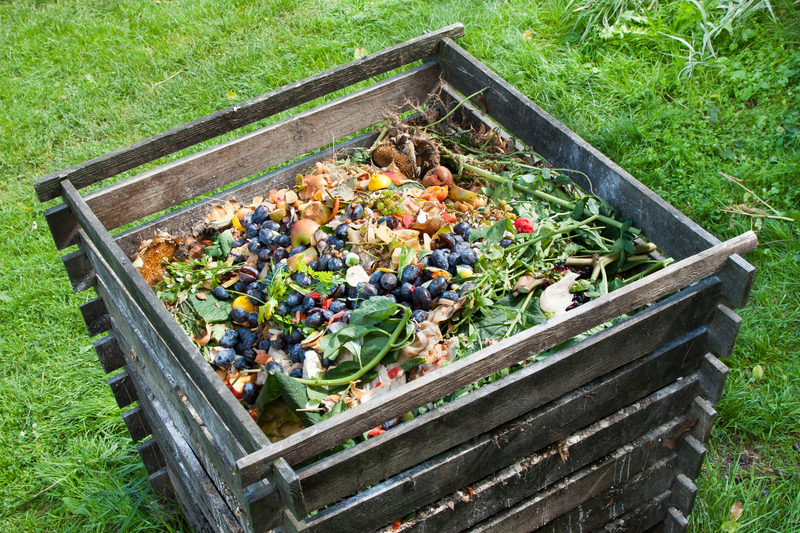
- Composting: Shredded cardboard provides "brown" carbon. Mix with food scraps (greens) for balance.
Yeah, we've all been there -- keeping a single huge box for months "because it's a really good box." Commit to a route and stick to it.
5) Store Safely
- Fire prevention: Keep stacks low, away from heat sources, and maintain clear aisles. Separate from general waste.
- Weather protection: Indoors or under cover; use pallets or cages to keep off damp floors.
- Rotate: First in, first out (FIFO) to avoid building a cardboard mountain that never seems to move.
One shop manager joked that moving the box stack away from the boiler was "the most obvious idea we somehow missed." Happens.
6) Monetise (for Businesses)
Old corrugated containers (OCC) often carry value when clean and baled. Market rates fluctuate but setting up a consistent, high-quality stream can mean rebates or at least lower collection fees.
- Get quotes: Invite 2-3 recyclers to review your site, bale density, and volumes.
- Negotiate: Rates depend on bale weight, contamination, and haulage. Regular schedules help.
- Track: Keep monthly tonnage data. It strengthens your bargaining position and ESG reporting.
Quick micro moment: a small warehouse in Leeds gained a modest rebate the first month, then doubled it by improving bale weight. A simple tweak: tightening straps.
7) Design Out Waste at the Source
- Right-size packaging: Use box sizers or on-demand box makers to remove void space.
- Switch to paper-based void fill: Replace plastic bubble with recycled paper where feasible.
- Standardise SKUs: Fewer box sizes = less leftover board and tape waste.
- Water-activated tape: Strong seal, fibre-based, easily recyclable with cardboard.
Honestly, you'll notice the difference in your dispatch area almost overnight.
Expert Tips
- Mind the moisture: Even a damp floor can downgrade your bale. Use pallets or cages, and avoid outdoor storage. Moist fibre = lower value.
- Match the schedule to your peak: E-commerce peaks (Black Friday, January sales) need extra collections. Arrange in advance.
- Chase quality: Follow EN 643 grade specs for paper and board. Cleaner input = better recycling outcomes and pricing.
- Keep signage crystal clear: Photos of "yes/no" items next to bins reduce contamination immediately.
- Use a moisture meter (for high volumes): A quick scan of bales protects value and prevents disputes.
- For garden use: Remove glossy coatings; soak plain cardboard briefly to mould around beds, then cover with mulch.
- Compost balance: Cardboard is "brown" carbon. Pair with "green" kitchen scraps at roughly 2:1 for a healthier heap.
- Partner with neighbours: Two small shops sharing a baler or collection schedule can hit minimum weights and better pricing.
- Data tells the story: Keep simple monthly records: volume, costs, rebates. Helps ESG reporting and negotiation.
- Consider alternative reuse: Cardboard templates are brilliant for DIY tiling, painting masks, and furniture moves (and save scuffed floors).
Truth be told, a single A4 sign above the bin can save you hours of sorting later.
Common Mistakes to Avoid
- Contamination creep: Food-stained boxes or bubble wrap mixed in the pile will ruin the batch.
- Letting it get wet: A rainy loading bay can sabotage the effort in minutes.
- Over-stacking bales: Unsafe piles risk collapse and make insurance assessors frown.
- Ignoring seasonality: Peaks require extra containers and pickups; otherwise, you overflow and lose quality.
- Not checking licences: Using unlicensed carriers for business waste breaches Duty of Care.
- Wishcycling: Putting non-recyclables (like heavily waxed or foil-lined boards) in the cardboard stream creates downstream problems.
- Keeping every box "just in case": Space is money. Reuse, donate, or recycle promptly.
Small aside -- we once saw a pristine bale stored under a leaky gutter. You can guess the ending. Don't do that.
Case Study or Real-World Example
East London E-commerce: From Clutter to Circular
Background: "Kind Kits Co." is a small e-commerce brand shipping craft kits nationwide from a rented unit near Hackney. They faced constant box pileups, rising waste costs, and no clear process.
Challenges: Seasonal peaks around Christmas, damp loading bay, and staff confusion about which bin was which. And to be fair, they were busy -- packaging tweaks felt like a distraction.
Actions Taken:
- Introduced OCC segregation: Installed a dedicated cardboard cage, placed on pallets to prevent moisture transfer.
- Flattened at source: Simple rule: open, flatten, stack immediately. No in-between piles.
- Switched to water-activated tape: Fewer layers, better seals, easier recycling.
- Started baling: A compact 10-15 tonne press produced dense bales aligned with EN 643 quality specs.
- Collection partner: Chose a licensed recycler offering scheduled pickups and a modest rebate for dry, clean OCC bales.
- Right-sized boxes: Used a box sizer to cut void space and reduce void fill.
Results (6 months):
- 42% reduction in net waste costs, with a small monthly rebate for OCC.
- 65% less storage space required by moving to flat-packed and baled systems.
- Fewer returns due to better right-sizing and sturdier tape (less shipping damage).
- Staff time saved: End-of-day tidy-up dropped from 25 minutes to under 10.
One chilly morning, you could almost smell the paper fibres as the first neat bale slid onto the pallet truck. The place felt, somehow, professional. A small shift, big impact.
Tools, Resources & Recommendations
Handy Tools
- Box cutter and safety gloves: For efficient flattening without injuries.
- Pallets or cage trolleys: Keep cardboard off damp floors and move stacks easily.
- Baler (for businesses): From small vertical units to larger presses. Match size to your volumes.
- Strapping / twine: Secure bales or bundles for tidy storage and transport.
- Moisture meter: Optional, but useful for high-volume sites.
- Clear signage: Laminated, with photos of what's in/out.
UK Resources You Can Trust
- Recycle Now (by WRAP): Find local recycling rules and centres by postcode.
- WRAP guidance: Practical advice on packaging design and recycling best practice.
- DEFRA statistics and guidance: Up-to-date info on packaging waste targets and reporting.
- Local authority pages: Kerbside rules vary; check size limits and bundling requirements.
- Reputable collectors: Well-known UK operators include Biffa, Veolia, SUEZ, First Mile, Bywaters, DS Smith, and Recorra. Request references and compliance docs.
- Community platforms: Freecycle, Facebook groups, and local forums to donate boxes for reuse.
- Speciality schemes: Terracycle-type programmes for odd packaging formats that aren't widely recycled kerbside.
Tip: When comparing collectors, ask how they handle moisture, bale specs, and contamination thresholds. The details matter.
Law, Compliance or Industry Standards (UK-focused)
Responsible cardboard and packaging disposal sits within a clear UK regulatory framework. Here's what to know, without the legal headache.
- Environmental Protection Act 1990, Section 34 (Duty of Care): Businesses must ensure waste is handled safely by authorised carriers and goes to licensed sites. Keep records.
- Waste Duty of Care Code of Practice (England and Wales): Practical guidance on classifying waste, transfer notes, and secure storage.
- Waste Transfer Notes (WTN): For each collection of business waste, document descriptions, EWC code (for cardboard packaging, commonly 15 01 01), quantities, and carrier details. Retain for at least two years.
- Waste Carrier Licences: Check your collector has a valid licence (upper-tier for most commercial operators).
- Packaging Producer Responsibility & EPR: Under Producer Responsibility Obligations (Packaging Waste) Regulations 2007 and the newer EPR reforms (2023-2025 phase-in), qualifying businesses must collect data and may need to pay fees covering recycling costs. Ensure accurate packaging data reporting.
- Packaging Waste (Data Reporting) England Regulations 2023: Many producers must report packaging data. Check thresholds and responsibilities.
- Fire Prevention Plans (Environment Agency) & WISH guidance: Sites storing significant paper/cardboard should consider pile sizes, separation distances (often 6 metres), and ignition controls.
- EN 643: European List of Standard Grades of Paper and Board for Recycling -- used by mills and merchants to define quality grades and acceptable contamination levels.
- ISO 14001: Environmental management systems can embed best practice for packaging waste in larger organisations.
Bottom line: segregate, store safely, use licensed carriers, keep the paperwork, and if you place packaging on the market, be ready for EPR data and costs. Simple, not scary.
Checklist
- Map your cardboard sources and volumes for one week.
- Set up clearly labelled areas for OCC and other packaging.
- Flatten immediately; remove obvious contaminants.
- Keep everything dry and off the floor.
- Choose the best route: kerbside, HWRC, trade collection, donation, or reuse.
- For trade: compare 2-3 licensed collectors; ask about rebates.
- Record monthly weights, costs, and any rebates.
- Train staff or brief household members -- short, simple instructions.
- Plan for peak seasons with extra capacity.
- Review packaging design to reduce waste at the source.
Two minutes to skim this checklist before the weekend clear-out can save an hour. Maybe two.
Conclusion with CTA
There are many creative ways to dispose of cardboard and packaging waste responsibly -- from smart recycling and neat storage to inventive reuse in the garden or the workshop. With a few tweaks, you'll free up space, trim costs, and make your place feel lighter. Cleaner. Calmer.
Whether you're a household trying to keep the hallway clear or a business aiming for credible ESG results, it starts with one decision: set up a simple system today. The rest falls into place. And if you want a hand, ask for it -- there's no prize for doing it the hard way.
Get a free quote today and see how much you can save.
One last thought: it's a small joy seeing a once-cluttered corner turn tidy. Feels like breathing room -- for you and for the planet.
FAQ
What's the easiest way to start recycling cardboard at home?
Flatten boxes as soon as they arrive, remove obvious plastic or foam, keep them dry, and bundle for your council's kerbside collection or take them to your local recycling centre.
Do I need to remove all tape and labels before recycling?
No, not all of it. Remove large plastic pieces, straps, and excessive tape. Small residual tape and labels are typically removed during the paper mill pulping process.
Can greasy pizza boxes be recycled?
Greasy or heavily food-soiled cardboard shouldn't go in the recycling stream, as oils affect paper quality. Tear off clean sections to recycle and compost the oily parts if your compost accepts them.
Is wet cardboard still recyclable?
It's technically possible but undesirable. Wet fibre loses strength and value, and wet loads can be rejected. Keep storage dry and off the floor to protect quality.
What are some creative reuse ideas for packaging cardboard?
Try drawer dividers, cable organisers, kids' crafts, pet scratchers, DIY floor protection, gardening mulch/weed barrier, photo backdrops, or template-making for DIY projects.
How do small businesses monetise cardboard waste?
Segregate clean OCC, bale it to EN 643 quality standards, and partner with a licensed recycler. Consistent, dry, dense bales can earn rebates or reduce collection fees.
What is the UK Duty of Care for business waste?
Businesses must store, describe, and transfer waste safely to authorised carriers and licensed facilities, using Waste Transfer Notes and keeping records for at least two years.
Do I need a waste carrier licence to collect cardboard from others?
If you transport waste as part of your business, you typically need a waste carrier licence. Always verify licence requirements with the Environment Agency.
How does the new UK Packaging EPR affect me?
Producers placing significant packaging on the market must collect data and will likely pay fees covering recycling costs. Check current thresholds and reporting duties relevant to your size.
Which EWC code applies to cardboard packaging?
For most cardboard packaging, the European Waste Catalogue (EWC) code commonly used is 15 01 01. Ensure accurate descriptions in your Waste Transfer Notes.
Can I compost cardboard in a home compost bin?
Yes. Shred or tear plain cardboard (avoid heavy gloss or plastic coatings) as a brown carbon source and mix with food scraps or grass clippings (greens) at roughly 2:1.
What should I do with mixed-material packaging that isn't easily recyclable?
First, separate components if possible (cardboard from plastic film). If separation isn't practical, check speciality schemes or return-to-retailer options where available.
How can I reduce cardboard waste from my online orders?
Choose retailers with right-sized packaging, consolidate orders, opt for minimal packaging at checkout, and reuse incoming boxes for returns or storage before recycling.
Is water-activated tape better for recycling?
Generally, yes. It's paper-based and integrates well with the cardboard recycling stream, reducing plastic contamination and often improving seal strength.
What safety steps should I take when storing lots of cardboard?
Keep stacks low and stable, maintain clear aisles, separate from ignition sources, control moisture, and follow Fire Prevention Plan guidance if storing significant volumes.
How often should I schedule collections for a small shop?
Weekly works for many, but match to your peaks. During busy seasons, add extra pickups or temporary containers to prevent overflow and quality loss.
Any quick win for offices drowning in boxes after a refit?
Set up a flattening station with a cutter, signage, and a single large cage or pallet area. Book a one-off licensed collection, then shift to a light weekly routine.
What does EN 643 mean in practice?
It's a standard describing paper and board grades for recycling. Meeting EN 643 helps mills trust your bales' quality, which supports better pricing and smoother collections.
How can schools or community groups use donated boxes?
For stage sets, STEM builds, art projects, storage, book swaps, or moving days. Post locally and you'll be surprised how fast good boxes find a home.
Final thought?
Start small, keep it dry, and make it easy for everyone to do the right thing. The rest falls into place -- one neat, flattened box at a time.