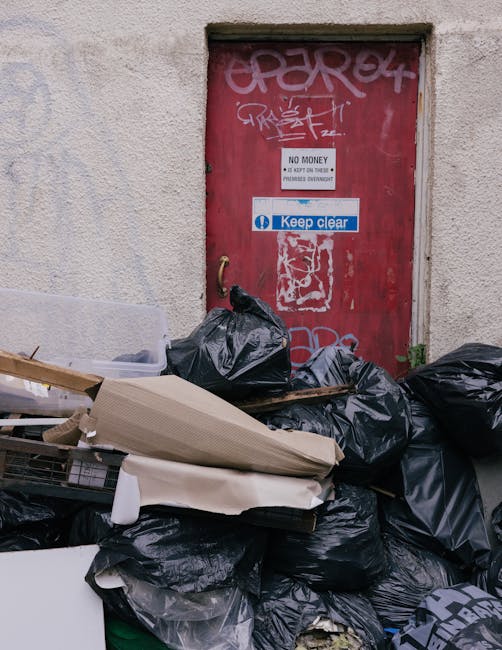
HA3 rubbish collection guide for Kenton flats and terraces
If you live in a Kenton flat or terrace, rubbish collection can feel oddly complicated. One minute you're sorting a few black bags, the next you're trying to shift a broken wardrobe down a narrow stairwell, past a parked bike, with nowhere sensible to put it. This HA3 rubbish collection guide for Kenton flats and terraces is here to make that whole job calmer, safer, and a lot more manageable.
We'll look at how rubbish collection typically works in these homes, what tends to go wrong, what to plan for, and when a professional clearance service is the easier answer. You'll also find a checklist, a comparison table, and a realistic example from a typical Kenton property. Nothing fancy. Just useful guidance you can actually use.
Table of Contents
- Why HA3 rubbish collection guide for Kenton flats and terraces Matters
- How HA3 rubbish collection guide for Kenton flats and terraces Works
- Key Benefits and Practical Advantages
- Who This Is For and When It Makes Sense
- Step-by-Step Guidance
- Expert Tips for Better Results
- Common Mistakes to Avoid
- Tools, Resources and Recommendations
- Law, Compliance, Standards, or Best Practice
- Options, Methods, or Comparison Table
- Case Study or Real-World Example
- Practical Checklist
- Conclusion
- Frequently Asked Questions
Why HA3 rubbish collection guide for Kenton flats and terraces Matters
Kenton has a mix of flats, maisonettes, converted houses, and terraces, which sounds straightforward until you try to remove bulky rubbish from them. Access can be tight. There may be shared entrances, internal staircases, limited roadside space, or neighbours who would quite like the hallway to stay clear. That's the reality, and it changes how rubbish collection needs to be planned.
For flats and terraces in HA3, rubbish is rarely just about "getting it out of the way." It's about moving items without blocking access, avoiding damage to walls or bannisters, and making sure the waste ends up in the right place. A rushed approach can leave you with broken plaster, complaints from neighbours, or waste that sits around for days. Not ideal, to be fair.
There's also the question of mixed waste. A single clear-out might include old furniture, bagged general waste, a fridge, some renovation offcuts, and a few bits that should never go in normal household collection. Once you see the pile all together, the job can feel larger than the original plan. That's usually when people realise they need a better method, not just more bin bags.
If you're comparing professional help, it's worth looking at a service that handles flat clearance and broader waste removal rather than trying to force everything into one disposal route. Flats and terraces often need a mix of methods, not one rigid answer.
How HA3 rubbish collection guide for Kenton flats and terraces Works
The basic process is simple, but the details matter. In practice, rubbish collection for a Kenton flat or terrace usually follows a few stages: assess the waste, separate what can be reused or recycled, plan the safest route out of the property, and arrange the right removal method for the load.
In a terrace, waste may come straight out to the front if the path is clear. In a flat, especially upper-floor accommodation, the team has to think about stair width, lift access, shared corridors, and timing. If there's a narrow landing or a tight turn, one oversized item can suddenly become a two-person manoeuvre. Sometimes three. There's no glamour in moving a sofa in a rain shower at 7 a.m., but here we are.
The main question is whether the rubbish is loose household waste, bulky items, or specialist material. Different waste types need different handling. For instance, an old sofa is not the same as builders' rubble, and neither is the same as a broken appliance. That's why useful local support often includes services like mattress and sofa disposal, fridge and appliance removal, and even builders waste clearance when the job involves repairs or refurbishments.
For residents, the practical workflow is usually this:
- Identify what needs to go.
- Check whether any items can be reused, donated, or recycled.
- Separate hazardous or awkward items early.
- Clear a route from room to exit.
- Choose a collection method that fits the property layout and the amount of waste.
That last step is the one people underestimate. A small terrace with easy front access may be simple. A third-floor flat with shared stairs, no lift, and a pile of mixed rubbish? Different story altogether.
Key Benefits and Practical Advantages
Getting rubbish collected properly in a Kenton flat or terrace is about more than tidiness. It saves time, reduces stress, and avoids the kind of half-finished clear-out that lingers for a week and starts to feel like part of the furniture. You know the sort.
- Less manual lifting: Bulky waste can be heavy, awkward, or both.
- Better access management: Shared hallways and staircases stay safer and clearer.
- Cleaner disposal: Items go to the right place instead of being dumped or left in the wrong bin area.
- More flexible support: Good services can handle a mixture of furniture, general waste, and specialist items.
- Less disruption for neighbours: Faster removal means less noise, clutter, and inconvenience.
- Improved recycling outcomes: Sorting at source makes it easier to divert suitable items away from disposal.
There's a practical calm that comes from seeing a space cleared properly. The hallway opens up again. The flat feels larger. Even the sound changes a bit when the clutter is gone. It sounds small, but if you've ever tried to live around a growing pile of rubbish, you'll know the difference.
If sustainability matters to you, it may also help to choose a provider that talks clearly about sorting and recovery. A page like recycling and sustainability is a useful sign that the business thinks beyond simple disposal.
Who This Is For and When It Makes Sense
This guide is for anyone in HA3 who lives in or manages a flat or terrace and needs rubbish removed without turning the place upside down. That includes tenants, homeowners, landlords, letting agents, and family members helping with a clear-out.
It especially makes sense if you are dealing with:
- a one-off declutter after moving out
- furniture that won't fit in communal bins
- a refurb or light renovation
- garage, loft, or storage-room overflow
- garden waste from a terrace
- old appliances or damaged white goods
- mixed rubbish left after tenants move on
Flat dwellers often find the process more awkward than terrace owners because access is shared and storage space is limited. Terraces, on the other hand, can create their own issues: front gardens with narrow gates, bins already lined up for collection, and no easy place to stage waste safely. It's not one-size-fits-all, which is exactly why local planning matters.
Sometimes the job is domestic. Sometimes it's a blend of domestic and business waste, for example if someone runs a small office from home or uses a spare room for stock. In those cases, it can help to review business waste removal alongside household options. Mixed-use properties can be messy in a very literal sense.
Step-by-Step Guidance
Here's a straightforward process for arranging rubbish collection in a Kenton flat or terrace. Keep it simple. Overthinking is often what slows people down.
-
Walk through the property first.
Look in cupboards, loft spaces, sheds, under stairs, and behind doors. People always miss one corner. Always.
-
Sort the waste by type.
Group general rubbish, furniture, appliances, metals, garden cuttings, and anything potentially hazardous. This helps avoid awkward surprises on the day.
-
Separate anything sensitive.
If you have paperwork, old bills, or storage boxes with personal information, keep them away from general waste and use confidential disposal where needed.
-
Check access carefully.
Measure doorways, stair turns, and communal areas if bulky items are involved. A quick measurement can prevent a lot of swearing later.
-
Remove loose hazards first.
Broken glass, nails, sharp metal edges, and trailing cables should be dealt with before larger items move through the property.
-
Choose the right service for the load.
If you have multiple item types, a full home clearance may be more efficient than trying to organise separate collections.
-
Book at a sensible time.
For flats, choose a time that suits neighbours and building access. For terraces, check parking and roadside visibility. Early mornings can be calmer, though not everyone loves that.
-
Confirm what can and cannot be taken.
If any items are specialist, heavy, or potentially hazardous, ask in advance. A little clarity saves a lot of back-and-forth.
-
Keep the route clear on collection day.
Move small obstacles, unlock gates, and make sure there's space to carry waste out without squeezing past shoes, prams, or recycling boxes.
-
Do a final sweep.
Check cupboards, balconies, sheds, and under-bed storage one last time. That "forgotten" item is usually the one you actually needed out.
If you are clearing furniture as part of the job, you may also want to look at furniture clearance or furniture disposal depending on whether items are reusable or just ready to go.
Expert Tips for Better Results
After enough clear-outs, a pattern emerges. The jobs that go smoothly usually have three things in common: preparation, good sorting, and realistic expectations.
Tip 1: Never leave bagging until the end. Pre-bagging loose rubbish makes the site safer and faster to clear. It sounds boring, but boring is good here.
Tip 2: If you have bulky furniture, clear the exit route before moving anything else. A sofa caught on a bannister can waste more time than the rest of the job combined.
Tip 3: Don't assume every item can go in the same pile. Appliances, upholstered furniture, and renovation waste often need different handling. The more mixed the waste, the more value there is in choosing a service that understands waste removal properly.
Tip 4: Protect communal surfaces. A simple blanket, cardboard sheet, or careful carry route can prevent scratches in shared entrances. That's the sort of detail neighbours remember, and not in a bad way.
Tip 5: For bigger projects, clear in phases. Kitchen first, then bedrooms, then storage spaces. Trying to empty a whole flat in one chaotic sweep usually creates more mess before it creates order.
Tip 6: If the clear-out includes fragile or high-value items, set them aside early. Once mixed with general waste, they're very easy to miss. A small side pile or labelled box can save a headache.
Tip 7: Ask about recycling and recovery before booking. Providers who prioritise reuse can often separate suitable items more effectively, which is good for the environment and usually just feels better as a customer.
Common Mistakes to Avoid
Let's face it, most rubbish collection problems come from a few predictable mistakes. Avoid these and you're already halfway there.
- Leaving everything until the last minute. A rushed clear-out creates confusion and extra lifting.
- Mixing hazardous items with general waste. This includes leaking chemicals, certain electricals, and anything that feels dodgy. If in doubt, treat it separately.
- Forgetting about access. A clear hallway, unlocked gate, or free parking space can change the entire day.
- Assuming bulky items will "just fit." It's amazing how often they don't.
- Ignoring neighbour impact. Shared buildings need a bit of courtesy. Nobody enjoys tripping over a mattress in the corridor.
- Not checking what the provider can handle. Some jobs need specialist support, especially for fridges, appliances, or awkward mixed loads.
The most frustrating mistake, in our experience, is underestimating how much waste there actually is. One cupboard of clutter becomes two full car loads before you know it. That happens more often than people admit.
If you are dealing with an old washing machine, freezer, or similar item, fridge and appliance removal is worth understanding before collection day. It avoids guesswork and keeps the process much smoother.
Tools, Resources and Recommendations
You do not need a van full of gear to manage rubbish collection well. A few practical tools make the job much easier:
- strong rubble sacks or heavy-duty refuse bags
- gloves with a decent grip
- tape or labels for sorting items
- blankets or cardboard to protect walls and floors
- a tape measure for stair widths and doorways
- a torch for lofts, cupboards, and under-stair storage
- a simple inventory list for bulky or mixed waste
For larger clearances, a professional service can remove the need for repeated lifting and multiple trips. If you're comparing costs or wanting a clearer sense of value, the pricing and quotes page is a sensible place to start. It helps you think about the job in terms of scope rather than just item count.
And if you prefer to handle the booking quickly, using book online can be a simple next step when you already know what needs to go. Nice and tidy. Fewer phone-tag moments.
A small but useful recommendation: take photos before booking if your load is mixed or bulky. Images make it easier to explain access, quantity, and awkward pieces. One picture often says more than a long paragraph. Sometimes far more.
Law, Compliance, Standards, or Best Practice
For rubbish collection in Kenton flats and terraces, the main compliance point is simple: waste should be handled responsibly and transferred to an appropriate, authorised route. You do not need to become a legal expert to do the right thing, but you do need to avoid casual fly-tipping, unsafe handling, or handing waste to an unknown operator.
In practical terms, best practice means checking that waste is collected, moved, and disposed of by a business that treats safety, traceability, and environmental responsibility seriously. That is particularly important for bulky waste, electricals, mattresses, appliances, and anything potentially hazardous. If the material is unusual or risky, a specialist page such as hazardous waste disposal may be the right reference point.
It is also sensible to look for clear service policies around handling, security, and customer care. Pages like health and safety policy, insurance and safety, and payment and security help show how a provider thinks about the job beyond the truck arriving outside.
For sensitive items, confidentiality matters too. If your clear-out includes paperwork, storage files, or old office material, confidential shredding may be relevant. It is a small thing until it is not. Then it matters a lot.
Best practice also means being honest about what is in the pile. If there are sharp, heavy, or potentially contaminating items, say so up front. It helps the team plan correctly and keeps everyone safer. There is no prize for surprise waste.
Options, Methods, or Comparison Table
There are a few ways to deal with rubbish in HA3 flats and terraces. The right choice depends on how much you have, what type it is, and how easy access is. Here's a simple comparison.
| Method | Best for | Pros | Limitations |
|---|---|---|---|
| Routine council collection | Small household waste in normal bins | Convenient for everyday disposal | Not suitable for bulky or mixed clear-outs |
| Self-load removal | Smaller loads when you can transport waste yourself | Flexible, can be economical | Requires lifting, vehicle access, and disposal planning |
| Skip-style approach | Renovation waste or larger, planned projects | Good for ongoing loading over time | Needs space and can be awkward for tight streets or flats |
| Professional clearance service | Bulky, mixed, awkward, or time-sensitive waste | Less lifting, faster clearance, better access handling | May cost more than a DIY approach for tiny jobs |
For Kenton flats and terraces, the professional clearance route is often the most practical when access is tight or the waste is a mix of items. If you want to understand item suitability first, what can go in a skip is a helpful reference point even if you don't end up using a skip at all. It gives you a better sense of what needs special handling.
And for items that are clearly furniture-related, you can narrow the job with mattress and sofa disposal rather than treating everything as generic rubbish. That little bit of precision helps.
Case Study or Real-World Example
A fairly typical Kenton scenario goes like this. A resident in a first-floor flat needs to clear out an old sofa, a broken chest of drawers, several bags of mixed rubbish, a microwave, and a few items from the airing cupboard. Nothing dramatic. Just enough to be awkward.
The first issue is access. The stairwell is narrow, the landing has a tight corner, and the communal entrance is shared with another household. The second issue is waste type: the sofa and drawers need bulky item handling, the microwave is an electrical item, and the bagged waste is mixed household rubbish. Leaving it all together would slow the job down and make sorting harder.
The sensible approach is to separate the items before collection, clear the route through the flat, protect the communal walls, and schedule the removal at a time that keeps disruption low. The sofa and drawers can be dealt with as furniture, the appliance can be handled separately, and the bagged waste can be loaded efficiently afterwards.
What changed the outcome most was not brute force. It was preparation. The resident had grouped items by type, measured the awkward corner, and moved a couple of small shelves from the hallway the night before. The result? Faster collection, less noise, and no damage. A simple job, made simpler.
That is usually the winning formula in Kenton: clear the access, sort the waste, and let the removal happen in one calm sweep rather than five frantic ones.
Practical Checklist
Use this quick checklist before your rubbish collection day. It saves time, and honestly, it saves a bit of sanity too.
- Have I identified every room, cupboard, loft, shed, and storage space?
- Have I separated general rubbish from furniture, appliances, and specialist items?
- Are any items hazardous, sharp, wet, or potentially unsafe?
- Is the route to the exit clear?
- Have I checked stairways, door widths, and any tight corners?
- Is parking or roadside access sorted?
- Have I protected floors, walls, and communal surfaces where needed?
- Have I taken out anything I want to keep, donate, or recycle separately?
- Have I confirmed the collection time and access arrangements?
- Do I know where the waste will go after collection?
If the list looks longer than expected, that's normal. Flats and terraces tend to create little hidden jobs. One drawer becomes three. One cupboard becomes a project. You get the idea.
Get a free quote today and see how much you can save.
Conclusion
Rubbish collection in HA3 flats and terraces is easier when you treat it as a planning job rather than a lifting job. Once you sort the waste, think about access, and match the method to the property, the whole process becomes far less stressful.
The key is simple: don't force a one-size-fits-all solution into a space that clearly needs a bit more care. Kenton properties often have shared entrances, narrow stairs, awkward turns, and limited storage. That doesn't make the job impossible. It just means the smart approach matters more.
If you need help with a flat, terrace, or mixed household clear-out, the most sensible next move is to review the services that match your waste type and then book the most practical option. A clean start is a good feeling. Quietly good, in the best way.
And once the clutter is gone, the room always seems to breathe again. A bit more light, a bit more space, and less to trip over. That's usually the moment people realise it was worth doing properly.
Frequently Asked Questions
What is the best way to arrange rubbish collection for a Kenton flat?
The best way is usually to sort the waste first, check building access, and choose a collection method that suits the size and type of rubbish. For mixed or bulky waste, a professional clearance service is often the most practical option.
Can rubbish be collected from a terrace house with limited front access?
Yes, but access needs to be planned carefully. Narrow paths, gates, parked cars, and neighbours all affect how the job is done. A quick site check usually makes the collection much smoother.
What types of waste are hardest to remove from flats?
Bulky furniture, appliances, and mixed waste bags are often the most awkward because of stairways, corners, and shared corridors. Fridges, sofas, and mattresses can be especially tricky without the right planning.
Do I need to separate furniture from general rubbish?
It is strongly recommended. Separating items makes loading easier and can improve recycling or reuse outcomes. It also helps avoid confusion when different waste types need different handling.
Is it better to use a skip or a clearance service in HA3?
It depends on space, waste type, and access. Skips can work well for ongoing renovation projects, but they are not always ideal for flats or tight terrace streets. A clearance service is often simpler for bulky or mixed loads.
What should I do with old appliances?
Old appliances should be handled separately because they can be heavy, awkward, and sometimes require specialist disposal. A service such as fridge and appliance removal is usually the safest route for these items.
Can I leave rubbish in a communal hallway before collection?
Usually that is not a good idea. Shared areas need to stay clear for safety and access. It is better to place items only when the collection is imminent and the route is ready.
How do I know if an item is hazardous?
If something is leaking, sharp, chemical-based, or otherwise feels unsafe to handle, treat it cautiously. When in doubt, ask before collection rather than guessing. That small check can prevent bigger problems.
What if I only have a few items to remove?
Small jobs can still benefit from a clear plan, especially if access is awkward. A few bulky pieces in a flat can be more difficult than a larger but tidier pile in a terrace with open access.
How can I make rubbish collection faster on the day?
Clear the route, group waste by type, move anything you want to keep, and make sure parking or entry access is ready. A tidy setup reduces delays more than people expect.
Is mixed household and renovation waste a problem?
It can be if it's not sorted properly. Mixed loads are manageable, but they need a bit more care. If the job includes rubble, offcuts, or waste from repairs, builders waste clearance may be relevant.
What should I check before booking a rubbish collection service?
Check what items are accepted, whether the provider can handle stairs or narrow access, how bulky waste is managed, and whether their service information is clear about safety and disposal. That sort of detail tells you a lot.
Can rubbish collection help with decluttering before moving house?
Absolutely. In fact, moving is one of the best times to clear unwanted items. It reduces what you need to carry, store, and sort later. A clean-out before the move usually pays for itself in peace of mind.
Where can I learn more about the company before I book?
You can read the about us page to understand the approach behind the service, and if you have questions about practical arrangements, the contact us page is the place to go.