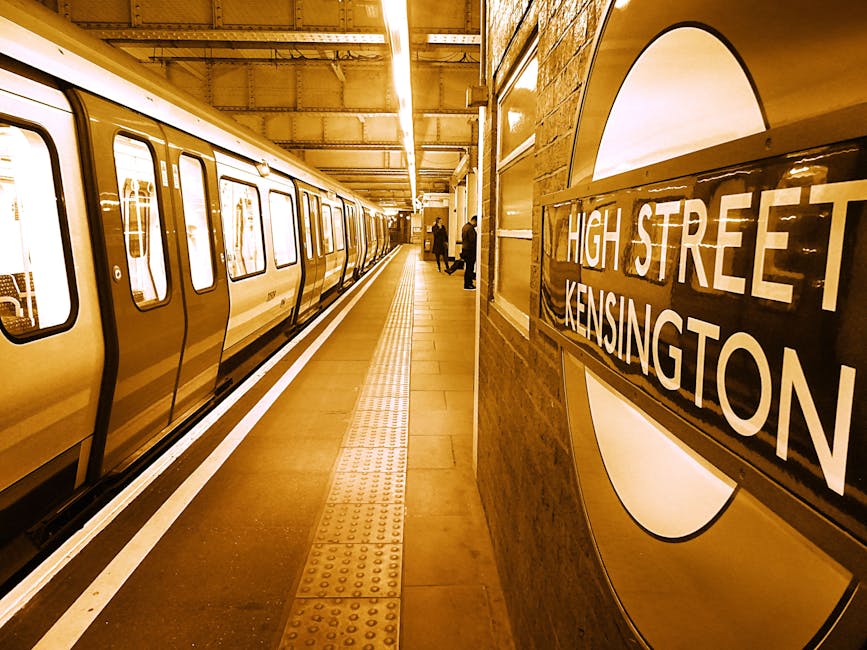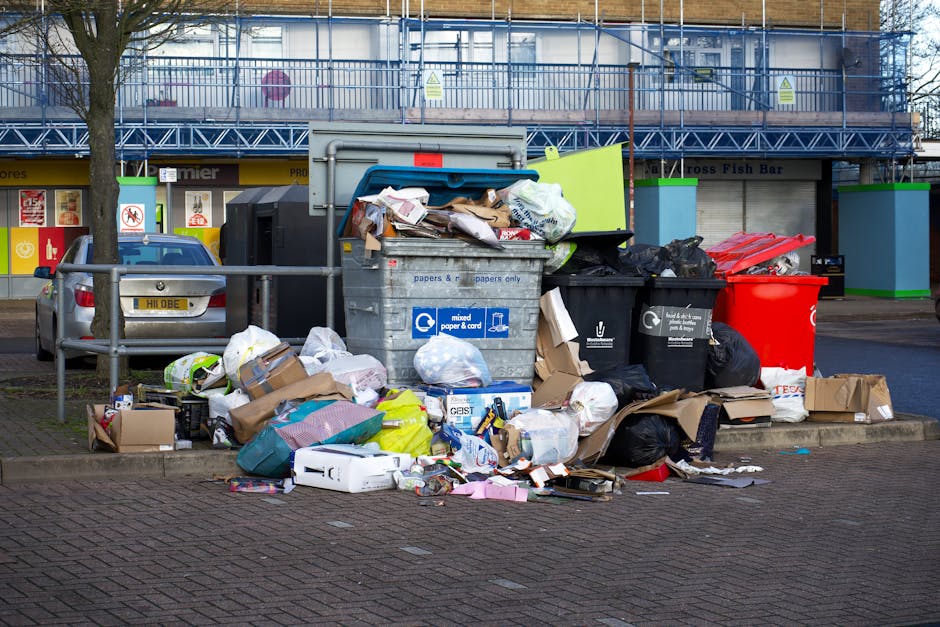
Kenton station bulky rubbish removal tips near high street: a practical guide for fast, tidy clearances
If you are trying to clear bulky rubbish near Kenton station and the High Street, you probably want the same three things most people do: less hassle, less lifting, and no awkward mess left behind. Maybe it is an old sofa that has been taking up half the room, a broken wardrobe in a narrow hallway, or a pile of mixed waste that has somehow grown legs over the last few months. Whatever the job, Kenton station bulky rubbish removal tips near high street is really about doing the clearance safely, legally, and with as little disruption as possible.
The good news? With a bit of planning, even a tricky bulky waste job in a busy local area can be managed smoothly. In this guide, we will walk through what bulky rubbish removal involves, how to approach it near the station and High Street, the common mistakes that slow people down, and the sensible ways to choose between DIY removal, a skip, or a professional clearance service. Straightforward stuff, but it makes a big difference.
Why Kenton station bulky rubbish removal tips near high street Matters
Bulky rubbish removal sounds simple until you are standing in a front room, looking at a sofa that will not fit through the door you used to bring it in. Near Kenton station and the High Street, that challenge gets a bit more complicated because you are often dealing with foot traffic, parking pressure, tight access, and neighbours who would rather not have a mattress leaning against the pavement all afternoon.
That is why a little planning matters. A clear, calm process helps you avoid damage to walls, lifts, stairwells, shared entrances, and your own back. It also helps reduce the chance of items being left out too early or in the wrong place, which can create an eyesore pretty quickly. Let's face it, no one wants to be the person whose old wardrobe sits outside for two days in drizzle.
There is also a practical cost angle. If you separate items properly, choose the right clearance method, and prepare access in advance, you can often make the job quicker and more efficient. For homes, flats, offices, and shops close to the station, that time saving can be the difference between a smooth morning and an all-day headache.
For larger clearances, it can help to think beyond just one item. A lot of people start with a single sofa and then realise the loft is full, the garage is full, and the shed is, frankly, a time capsule. In those cases, related services such as house clearance, flat clearance, or home clearance may be a better fit than tackling everything piecemeal.
How Kenton station bulky rubbish removal tips near high street Works
At a practical level, bulky rubbish removal is about identifying what needs to go, deciding how it will be moved, and making sure it ends up in the right place. Sounds obvious. It rarely is in real life.
Most bulky waste jobs follow a loose pattern:
- List the items you want removed.
- Sort them into reusable, recyclable, and waste categories.
- Check access: stairs, lifts, narrow doors, parking, and loading space.
- Choose a method: self-load, skip, or professional collection.
- Prepare the items so they are safe to carry.
- Remove everything in one go or in a small number of organised trips.
Near a station or High Street, the access stage deserves special attention. Parking is often the hidden problem. You may be able to see your front door from a vehicle, but if there is no legal stopping point, the whole process slows down. A short walk with a heavy chest of drawers is not ideal, especially if the item has sharp corners or is awkwardly balanced.
If you are dealing with furniture, appliances, or mixed rubbish, it is worth reading the specific guidance for items such as furniture disposal, mattress and sofa disposal, or fridge and appliance removal. These items often need a different handling approach than general rubbish, and sometimes a different disposal route altogether.
For business premises, especially small offices or shops near the High Street, it is also sensible to look at office clearance or business waste removal. That keeps the job organised and avoids mixing confidential materials, electrical waste, and general junk in one same pile.
Key Benefits and Practical Advantages
The main benefit of planning your bulky rubbish removal properly is control. You know what is going out, when it is going, and how much effort will be involved. That alone reduces stress more than people expect.
Here are the most practical advantages:
- Faster clearance: items are grouped and ready, so the removal process does not drag on.
- Less damage risk: walls, lifts, and stair rails are less likely to get scratched or chipped.
- Better recycling outcomes: items can be separated for reuse or recycling where appropriate.
- Cleaner handover: useful if you are moving out, selling a property, or changing tenants.
- Safer lifting: you reduce the chance of injury by not improvising with one hand and a wobbling wardrobe in the other.
There is also a psychological benefit, which sounds a bit fluffy until you have done a clearance yourself. Once the bulky items are gone, the space feels different. Bigger. Lighter. More usable. Even the sound changes a little. No more thud of an old door leaning in the hall every time someone passes.
If you want to keep the process efficient and environmentally sensible, take a look at the company's recycling and sustainability approach. That matters more than many people think, particularly when you are disposing of mixed household items and want to keep reusable materials out of general waste where possible.
Who This Is For and When It Makes Sense
This type of guidance is useful for a surprisingly wide range of people. You may be a homeowner clearing an overflowing garage, a tenant getting ready for a move, a landlord between lets, or a small business owner trying to refresh a shop or office without turning the place upside down.
It makes sense when you have:
- one or more large items that cannot be left with normal household waste;
- mixed rubbish that includes furniture, appliances, and general clutter;
- a flat or property with awkward access;
- a time limit, such as end-of-tenancy deadlines or pre-sale preparation;
- items that are too heavy or awkward for a single person to handle safely.
It is especially relevant near the station and High Street because the area tends to reward tidy, efficient work. The less time you spend blocking access, the better. That is true for residents, neighbours, and anyone trying to keep a business running during the day.
If your clearance is part of a larger domestic tidy-up, you may also find loft clearance, garage clearance, or garden clearance relevant, depending on where the bulky items have been hiding. And yes, the garden shed does often become the final resting place for things nobody wants to admit belong to them.
Step-by-Step Guidance
If you want a smooth clearance, do not start by lifting. Start by planning. A little boring, perhaps, but very effective.
1. Make a room-by-room list
Walk through the property and note every bulky item. Include the obvious things like wardrobes, sofas, beds, and white goods, but also remember less obvious items such as broken shelving, large rugs, desk units, or dismantled flat-pack furniture.
2. Separate items by type
Split the list into categories:
- furniture
- electrical appliances
- general bulky waste
- potentially hazardous items
- reusable pieces
This is useful because not everything should be handled the same way. For example, a fridge is not just another heavy box, and a pile of broken furniture should not be treated the same as a bag of dry rubbish.
3. Check access before collection day
Look at the route from the item to the vehicle. Ask yourself: are there tight corners, steep stairs, shared entrances, low ceilings, locked gates, or parking restrictions? If yes, sort those out before anyone starts carrying.
It is a small thing, but it saves a lot of faff.
4. Disassemble where sensible
If a bed frame, table, or wardrobe can be dismantled safely, do it. Remove shelves, doors, cushions, and drawers if that makes lifting easier. Keep screws and fixings in a labelled bag if there is any chance the item may be reused or reassembled.
5. Protect the property
Use blankets, cardboard, or floor protection if items are being moved through tight internal spaces. One scrape down the side of a freshly painted wall and suddenly the whole job feels much less cheerful.
6. Decide on the disposal method
For a small amount of bulky waste, you might prefer a single collection. For a larger clear-out, a dedicated service such as waste removal may be the most practical route. If you are unsure what can and cannot go in a skip, it is worth checking what can go in a skip before booking one.
7. Keep hazardous or specialist items separate
If any items may involve hazardous materials, broken glass, chemicals, or contaminated contents, keep them apart and seek the right disposal route. Do not mix them with general furniture or domestic clutter. That is a shortcut best avoided.
Expert Tips for Better Results
In our experience, the best bulky rubbish jobs are the ones that look almost uneventful. No drama. No last-minute scramble. Just a well-prepared space and a clear plan.
Here are a few tips that genuinely help:
- Measure awkward items. If a sofa or cabinet is a tight fit, measure the doorways and turns before moving day. Guessing is how people end up wedged in hallways.
- Use the right service for the job. A single sofa is not the same as clearing an entire property. Matching the service to the volume keeps costs and timing sensible.
- Group items by exit route. Stack or stage items close to the easiest loading point, but only if it does not block emergency access.
- Keep pathways clear. Shoes, bins, cables, and small furniture are the trip hazards people forget.
- Plan for lift or stairwell etiquette. Shared buildings need extra care. Quiet lifting, no banging, no leaving items in common areas.
A small but useful habit: take a quick photo of the space before and after. It helps you check that nothing has been missed, and if you are a landlord or managing agent, it gives you a neat record. Nothing glamorous. Just useful.
If you need clearer pricing expectations before going ahead, the page on pricing and quotes is a sensible place to start, while book online can be handy when you want to move quickly and keep the admin simple.
Common Mistakes to Avoid
Most bulky rubbish problems are not caused by the rubbish itself. They are caused by poor planning. That is the awkward truth.
- Leaving everything until the last minute. This leads to rushed lifting, poor sorting, and unnecessary stress.
- Assuming access is straightforward. A parking space near the station is not guaranteed, and a wide road does not always mean easy loading.
- Mixing different waste types. Furniture, appliances, confidential documents, and hazardous items should not all go in one pile.
- Forgetting about shared spaces. Flats, blocks, and mixed-use buildings need extra care around communal entrances and corridors.
- Overestimating what one person can lift safely. Some items look manageable until you actually tilt them. Then they suddenly become monsters.
Another common slip is ignoring specialist disposal needs. For instance, mattresses, sofas, fridges, and certain office items often make more sense when handled through dedicated routes such as mattress and sofa disposal, fridge and appliance removal, or confidential shredding for sensitive paperwork.
Tools, Resources and Recommendations
You do not need a warehouse full of equipment to handle bulky rubbish well. A few sensible tools and habits go a long way.
Useful items include:
- work gloves with a good grip
- strong bin bags for smaller loose waste
- tape or straps for securing drawers and doors
- moving blankets or thick covers
- a screwdriver or hex key for simple dismantling
- a torch for lofts, sheds, and dim corners
Useful resources on the site include home clearance for full-property jobs, furniture clearance when the main issue is large household items, and builders waste clearance if the bulky waste is mixed with renovation debris. For business settings, office clearance and business waste removal are the more relevant routes.
If you are comparing options carefully, you may also want to review payment and security and insurance and safety. Those pages help set expectations around how a professional service should handle both the practical and financial sides of a clearance.
Law, Compliance, Standards, or Best Practice
This part matters, even if it is not the most exciting bit. In the UK, waste has to be handled responsibly, and as a customer you should be careful about who removes it and where it goes. If someone is offering an implausibly cheap service and cannot explain disposal properly, that is a red flag. Not always, but often enough to pay attention.
As a general rule, best practice includes:
- using a service that is clear about waste handling and disposal;
- keeping hazardous items separate from general bulky waste;
- avoiding fly-tipping or leaving rubbish in a public place;
- making sure access routes are safe for workers and residents;
- checking terms before booking so there are no surprises later.
For items that may involve risk, such as chemicals, damaged electrical goods, or potentially contaminated materials, the safer route is always the more careful one. If you are not sure, ask before the clearance starts. That is far better than guessing and hoping for the best.
You can also review the company's health and safety policy, terms and conditions, and complaints procedure to understand the expected standards. It is not about being fussy. It is about making sure everyone knows where they stand.
Options, Methods, or Comparison Table
There is no single best way to clear bulky rubbish. The right choice depends on how much you have, how awkward it is, and how quickly it needs to go. Here is a simple comparison.
| Method | Best for | Pros | Possible drawbacks |
|---|---|---|---|
| Self-load and take to disposal | Small amounts, a van available, straightforward access | Can be cost-effective; flexible timing | Heavy lifting, multiple trips, parking hassle, time-consuming |
| Skip hire | Mixed waste from a renovation or larger clear-out | Useful for ongoing disposal over several days | Space needed; not ideal for heavy items in upper floors; permit considerations may apply depending on location |
| Professional bulky waste collection | Large furniture, awkward items, flats, busy streets, quick turnaround | Less lifting for you; efficient; handled by experienced crew | Cost can be higher than DIY, though often better value once time and effort are counted |
For many people near Kenton station and the High Street, professional collection ends up being the most practical option simply because access is the hard part. You can have the motivation. You can even have the boxes. But if there is nowhere to park or the stairs are brutal, the plan starts to wobble.
If you are considering a skip, the guide to what can go in a skip is worth checking first. It saves the classic "we thought it all could go in" conversation, which is never fun on a busy weekday morning.
Case Study or Real-World Example
A typical local scenario goes like this. A couple in a flat not far from Kenton station has sold some furniture before moving. They have a sofa, a bed frame, two wardrobes, and a pile of old storage from the loft. At first, they think they can just carry everything down over the weekend.
Then reality arrives. The wardrobe will not turn on the landing. The sofa is heavier than it looked. The building has shared access, so they do not want to block the hallway. And the van they hoped to borrow is not actually free after all. Very normal. Very human.
The better approach is to break the job into stages:
- measure the larger pieces before moving anything;
- dismantle what can be safely dismantled;
- separate reusable pieces from waste;
- clear a loading route in advance;
- choose a service that can take the items in one organised visit.
That one shift in planning usually turns a stressful weekend into a manageable hour or two. Maybe still a bit dusty, maybe still a bit noisy, but manageable. And that matters when you are living in the property while trying to get the place ready for the next stage.
Practical Checklist
Use this before you book or move anything:
- Have I listed every bulky item that needs removing?
- Do I know which items are furniture, appliances, general waste, or specialist waste?
- Have I checked the access route from room to vehicle?
- Do I need to dismantle anything first?
- Have I protected floors, walls, and shared areas?
- Do I know whether any item needs specialist disposal?
- Am I clear on the timing and whether parking is available?
- Have I reviewed pricing, security, and service terms?
- Have I separated items I want to keep, donate, or recycle?
- Is there anything hazardous that should be kept apart?
If you can tick most of those off, you are in good shape. If not, pause and sort the gaps first. A half-prepared clearance is often the one that becomes a full-day headache.
Get a free quote today and see how much you can save.
Conclusion
Bulky rubbish removal near Kenton station and the High Street does not need to be difficult. The trick is to treat it like a small project rather than a random pile of stuff. Sort the items, protect the access route, think about safety, and choose the right disposal method for the job. That is the real win.
Whether you are clearing one large item or tackling a whole property, a calm, well-planned approach saves time, reduces stress, and usually leaves the space looking far better than you expected. And honestly, that first clean patch of floor after a proper clearance feels pretty good.
If you are ready to take the next step, a little planning now can spare you a lot of lifting later. That is usually worth doing.
Frequently Asked Questions
What counts as bulky rubbish near Kenton station and High Street?
Bulky rubbish usually means large items that will not fit in normal household waste, such as sofas, wardrobes, mattresses, desks, tables, or large appliances. It can also include awkward mixed items from a loft, garage, or office clear-out.
Can I leave bulky waste outside for collection?
Only if it is placed legally, safely, and in a way that does not block access or create a nuisance. In busy areas, it is often better to keep items indoors until the collection is ready, then move them out at the agreed time.
Is it better to hire a skip or book a bulky waste removal service?
It depends on the job. Skips are useful for ongoing mixed waste, while a collection service is often better for heavy furniture, flats, and tight access. If the rubbish is mostly large items, a dedicated removal service is often simpler.
How do I prepare a sofa or wardrobe for removal?
Remove cushions, drawers, loose shelves, and any detachable parts. If it can be dismantled safely, do that first. It makes lifting easier and reduces the chance of damage to walls and doorframes.
What if I have a fridge or other appliance to dispose of?
Appliances should be handled separately from general rubbish where possible. Fridges, freezers, washing machines, and cookers can involve specific handling needs, so a dedicated appliance removal service is usually the smarter choice.
Can bulky rubbish include office waste or confidential files?
Yes, but it should be sorted properly. General office clutter, desks, chairs, and storage units can be cleared as office waste, while sensitive paperwork should be handled through confidential shredding.
How can I reduce the cost of bulky rubbish removal?
Sort items in advance, separate reusable pieces, dismantle large furniture where possible, and make access easy. The less time a crew spends navigating and sorting on site, the more efficient the job tends to be.
Are there any items I should not mix with general bulky waste?
Yes. Hazardous materials, chemicals, sharp contaminated items, and certain electrical goods should not be thrown in with normal bulky rubbish. Keep them separate and ask for the correct disposal route.
What should I ask before booking a clearance?
Ask what is included, how access is handled, whether the service is insured, how payment works, and what happens if the item mix changes on the day. Clear answers now save awkward surprises later.
How long does a typical bulky rubbish clearance take?
That depends on the volume, access, and type of items. A single item may take only a short visit, while a full flat or house clearance can take much longer. Access near the station or High Street can also affect timing.
Can bulky rubbish be recycled?
Often, yes. Many furniture items, metals, wood components, and some appliances can be processed for recycling or reuse depending on their condition and material type. Sorting items properly improves the chance that more of it is handled responsibly.
What is the safest way to handle bulky waste in a flat?
Plan the route, protect shared areas, avoid lifting alone if the item is heavy, and choose a method that suits the access. In many flats, professional removal is safer and less disruptive than trying to move everything yourself.